Visit Diesis Network website

News and reflections shaping the sector

From Baseline to Presidency: What Ireland’s Social Enterprise Journey Offers Europe

Ireland’s Presidency of the Council of the EU, from July to December 2026, is a good moment to take stock of the state of the social enterprise sector in our country. Seven years ago, Ireland had no national social enterprise policy and no reliable data on the sector. Today we have a second national policy co-designed with the sector, a public procurement strategy that names social enterprise, a national evidence base, and a growing set of practical tools. We are not finished. But the Irish journey offers lessons, and some warnings, for a European social economy agenda at a turning point as talks on the next EU budget begin. 

Stronger Networks, Stronger Regions: Why Systemic Change Matters for Europe’s Social Economy

Strong social economy organisations need strong connections around them. When networks are fragmented, local knowledge can remain isolated, opportunities for cooperation can be missed, and the link between policy and practice becomes harder to build. That is why Strengthening Social Economy Networks for Impact and Resilience looks beyond individual organisations to the wider ecosystem: connecting people, networks, policies and territories so they can reinforce one another. Over the next three years, the initiative will bring together macroregional cooperation, capacity building, financial support, policy dialogue and awareness campaigns to strengthen the social economy across Europe.

The Skills Gap Is Growing. How Can Europe Keep Up?

What happens when jobs change faster than people can acquire the skills to do them?  We live in a high labour shortage in the market that relies on courses and training that have become easily obsolete. With the fast transformation, traditional training has lost their effectiveness because they simply cannot keep up. We can see mainly two areas that conventional business struggle to adapt and compete .

Building Our Future Together

Europe is entering a decisive decade. Competitiveness, resilience, and prosperity are becoming central priorities, while the green and digital transitions, demographic change, and growing territorial inequalities are reshaping the economic landscape. Responding to these challenges requires economic models that combine innovation with inclusion and long-term sustainability.  For Diesis Network, responding to this new reality also requires evolution. It is in this context that the network’s new Board of Directors has been elected for the next four-year mandate. 

Strengthening Social Economy Networks: Diesis Joins European Commission Kick-Off Meeting

On 16 June 2026, we participated in the European Commission’s kick-off meeting for EU networks funded under the ESF-2025-AG-MF-SE call for proposals. The event brought together European networks active in the fields of social economy, social enterprise finance and microfinance, alongside representatives of the European Commission, to discuss policy priorities, share planned activities and explore opportunities for stronger collaboration across Europe.

A New Vision for a Competitive and Sustainable Economy

Today, we launch our new website—an important milestone in consolidating our collective work and strengthening how we bring our shared vision into life as network.  At the core of this community are you, our members and partners: the knowledge, relationships, and capacity to act that drive everything we do. 
Dices Frederci Dufays

Frédéric Dufays on Economic Democracy, Organisational Governance, and Inclusive Care Systems

In this interview, Dufays reflects on the role of economic democracy in everyday care practices, the importance of inclusive governance, and what meaningful impact looks like for research aimed at strengthening social inclusion. Read the interview to discover how democratic organisations can build better care for workers and communities alike.

Work Safety in the European Union: International Workers’ Day and the Role of the Social and Solidarity Economy

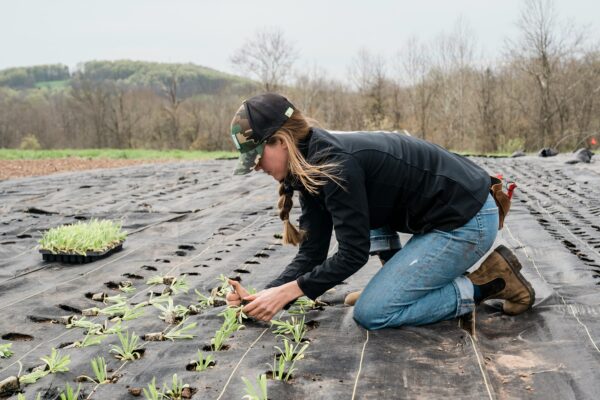
Empowering Rural Women: Catalysts for Sustainable Development in the European Union

Rural areas within the European Union (EU) have long been characterized by their natural beauty, agricultural richness, and traditional way of life.

The social economy momentum and its future colours

Future Skills for Social Economy in Europe

Many individuals in the EU faced continuous job losses or significant income reductions during the COVID-19 pandemic, and a great necessity emerged to acquire new skills to transition from declining activities to expanding ones, especially due to the rise in new ground-breaking technologies and incentives for the young public to enter a potentially challenging labour market.

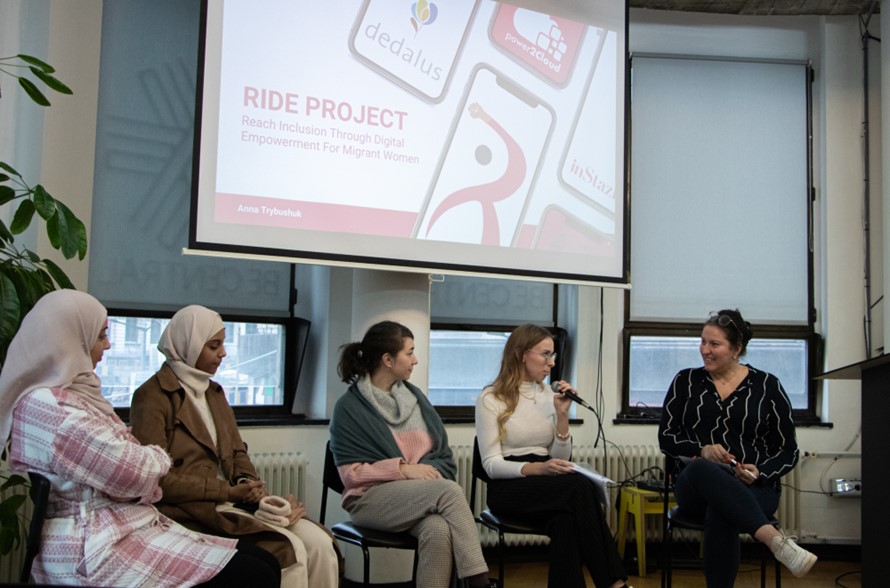
EC Recognizes the RIDE project

We are excited to share a major achievement for our groundbreaking project, RIDE (Reach Inclusion through Digital Empowerment for Migrant Women), as it has been highlighted by the European Commission as part of the European Year of Skills.

Advancing Green Jobs for Young People in Rural Areas

Social Economy Approach to Creating Gender Safe Workplaces

Empower women to regenerate our rural communities

The European Green Deal sets Europe on the pathway to becoming the first climate-neutral continent by 2050. The EU’s first-ever Gender Equality Strategy is designed to make gender equality in the EU a reality.

Thoughts about employee financial participation, democracy at work, competitiveness and sustainability

There is no democracy at work without worker involvement. These days democracy – including economic democracy – is even more important than ever when we witness decline in democratic trends especially in politics in certain countries what has a profound effect on all areas of life. Democracy starts and manifest at lower levels, democracy at work and democracy at home are basic ingredients.  But what does this mean when we talk about democracy at work?

Social economy organisations and trade unions – partners in social dialogue?

Social dialogue – as defined by the ILO – includes all types of negotiation, consultation or simply exchange of information between, or among, representatives of governments, employers and workers, on issues of common interest relating to economic and social policy.

The future of youth: what role for social economy?

A brief overview of youth unemployment in the EU